

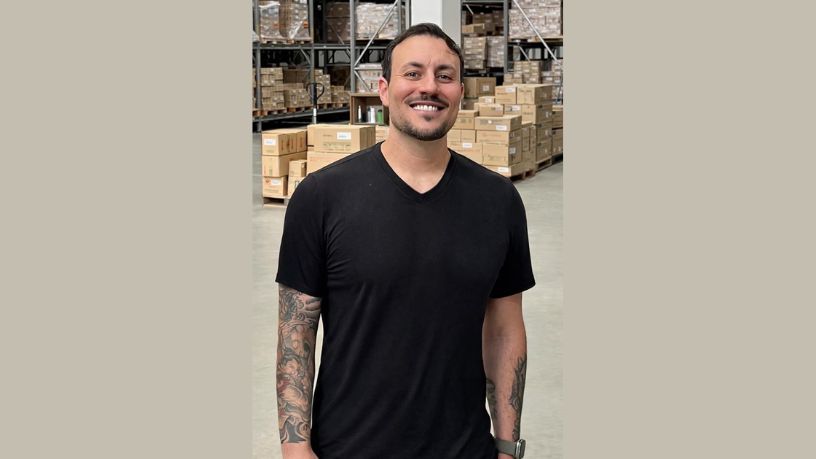
Hugo Galvao de Franca Filho, founder and CEO of Enjoy Pets, points to one statistic more than almost any other when explaining why the pet market behaves differently from other retail categories. Between 2002 and 2018, the share of Brazilian households reporting regular spending on pets nearly tripled, moving from under twelve percent to just over thirty percent of families. That is not a niche hobby growing slightly more popular. That is a basic household budget line shifting for roughly a fifth of the entire population in the span of sixteen years.
What the number actually captures
A statistic like this rarely means people simply started buying more pet food. It reflects a change in how pets are categorized inside a household’s spending priorities in the first place. When a family starts listing pet expenses the way it lists groceries or utilities, that spending stops competing with discretionary purchases and starts behaving like a fixed, recurring cost that gets paid regardless of what else is happening that month.
This is the mechanism behind why the broader pet sector kept growing even through periods of general economic caution. Hugo Galvao informs that the spending tied to a pet’s basic well-being tends to hold up in ways that spending on optional extras does not, because owners increasingly treat it as a non-negotiable part of the budget rather than a discretionary indulgence.
Why this changes what actually sells
A market built on discretionary spending rewards whoever offers the lowest price at the right moment. Hugo Galvao de Franca Filho explains that a market built on a fixed, recurring budget line behaves differently, because the buying decision has already been made at a household level before the customer ever compares prices between two specific brands.

That shift explains why premium products have carved out such a meaningful share of pet spending rather than staying in a small luxury segment. Premium dog food alone accounts for roughly thirty percent of category sales worldwide, a proportion that would be hard to sustain if pet spending were still treated as optional. Once a family has decided pet care is a fixed cost, the remaining question becomes which tier within that budget to spend on, not whether to spend at all.
What it means for how a pet e-commerce business should operate
For a seller, this reframes what actually drives growth. Chasing new categories or constantly discounting to attract price-sensitive shoppers matters less than making sure the recurring core of a household’s pet budget, food, litter and routine health products, flows reliably through the store rather than leaking to a competitor or a physical shop nearby.
It also means customer behavior in this category is more predictable than it looks at first glance. A household that has already folded pet spending into its regular budget is not deciding each month whether to buy. It is deciding where to buy, which is a fundamentally easier problem for a retailer to solve through consistency, delivery reliability and trust than through constant promotional pressure.
Reading the market correctly
The businesses that misread this shift tend to treat pet e-commerce like any other discretionary retail category, competing mainly on price and hoping volume covers the gap. The businesses that read it correctly build around the fact that a meaningful share of Brazilian households have already decided this spending is not optional, and focus instead on becoming the default place that recurring budget gets spent.
In conclusion, Hugo Galvao de Franca Fillho states that a market where three in ten households treat pet care as a fixed cost is not behaving like a passing trend. It is behaving like an established category with its own rules, and those rules reward consistency far more than they reward whoever runs the loudest sale this week.